Site source
Brian Anthony Photography homepage
Documents the brand positioning around documentary + artistic storytelling, relaxed direction, team-based coverage, and NC service areas.
Dark receptions • mixed light • real consistency
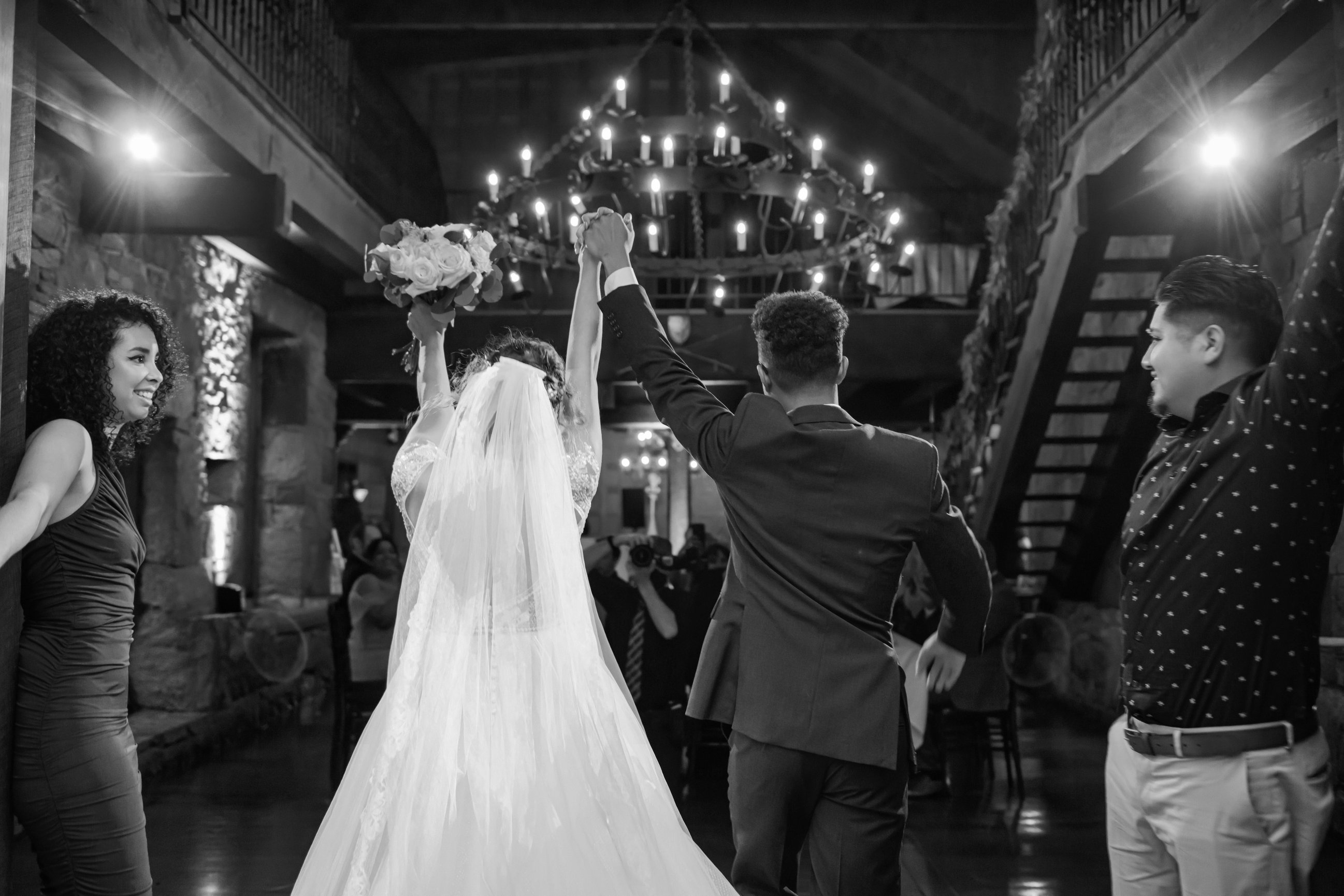
This is where pretty portfolios go to be tested. A photographer can look incredible outdoors at golden hour and still fall apart when the dance floor is dark, the uplighting turns purple, the candles read orange, the DJ haze thickens, and the couple wants everything to feel lively without looking like a nightclub surveillance still.
If low-light performance matters to you, you are already asking a higher-level question than most couples ask in the beginning. You are not only asking whether a photographer can make portraits look beautiful in ideal light. You are asking whether they can protect the feeling of the reception, the speeches, the parent dances, and the atmosphere of the room when the easy light is gone.
This is exactly why so many of the best comparison points in your original Brian Anthony generator mention dark receptions, mixed indoor light, and flash consistency. That original file already understands something many generic venue pages do not: low-light work is one of the fastest ways to tell whether a photographer is truly dependable across a full wedding day.
Brian Anthony Photography is a strong fit here because the live site emphasizes full-day storytelling across quiet exchanges and energetic celebrations, while the broader body of content keeps pointing couples back to full galleries, reception examples, and proof in difficult light.
Because wedding receptions are emotional peaks. If the ceremony is the inhale, the reception is often the exhale. It is where guests loosen, speeches land, grandparents dance, friends cry-laugh, and the room becomes itself. If the photography gets weak right there, the gallery loses one of its richest chapters.
Because bad low-light photography tends to fail in obvious ways. Skin tones drift. Backgrounds turn muddy. Faces go flat from direct flash. Motion blur stops feeling romantic and starts feeling accidental. White balance swings wildly from image to image. Once you know how to look for it, it becomes hard to ignore.
Because difficult light is not rare. Barns, industrial venues, ballrooms, tent receptions, gardens after sunset, venues with uplights or candles, and dance floors with moving DJ lights all create complicated conditions. Couples should assume they need a photographer who can work there, not hope they never end up in those conditions.
The end of the wedding day has its own weather. The edges of things soften. People settle into their bodies. The room darkens, then glows. Faces are lit by candles, by a hallway spill of warm light, by the DJ booth, by a flash that appears for an instant and disappears again. It is messier than ceremony light. Less flattering at first glance. More alive.
A photographer who knows how to work there is doing more than solving a technical problem. They are protecting the emotional temperature of the night. They are deciding what should stay moody and what must stay readable. They are honoring the atmosphere without letting it swallow the people inside it. That balance is rare enough that couples should actively shop for it.
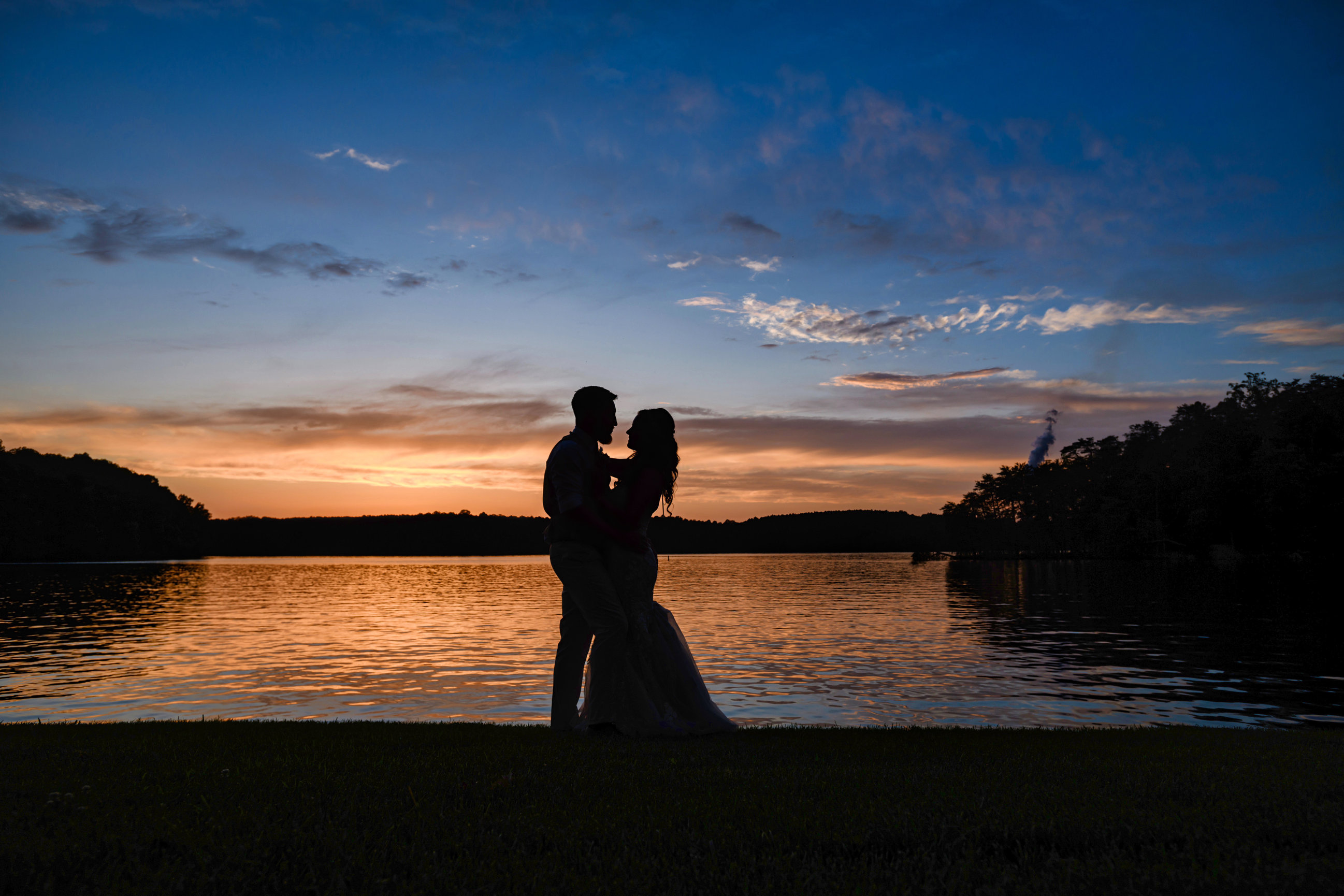
This is also why after-dark galleries can feel so cinematic when they are done well. Not because they are artificially dramatic, but because they let the night remain the night while still giving the people in it shape, warmth, and presence.
The existing comparison generator you built already consistently pushes couples toward one of the smartest evaluation habits possible: ask for a full dark-reception gallery. That through-line is important because it shows the Brian Anthony positioning is not just aesthetic; it is decision-oriented. It respects that couples need proof, not just branding language.
The homepage also speaks about capturing the day in full color, motion, and feeling, from quiet exchanges to energetic celebrations. That phrasing naturally fits low-light reception work, because those energetic celebrations are exactly where color accuracy, movement, and atmosphere become hardest to manage well.
Brian Anthony Photography is especially compelling for couples who want after-dark images that still feel refined: clean skin tones, visible atmosphere, motion that feels intentional, and a reception gallery that does not suddenly look like it came from a different photographer than the portraits did.
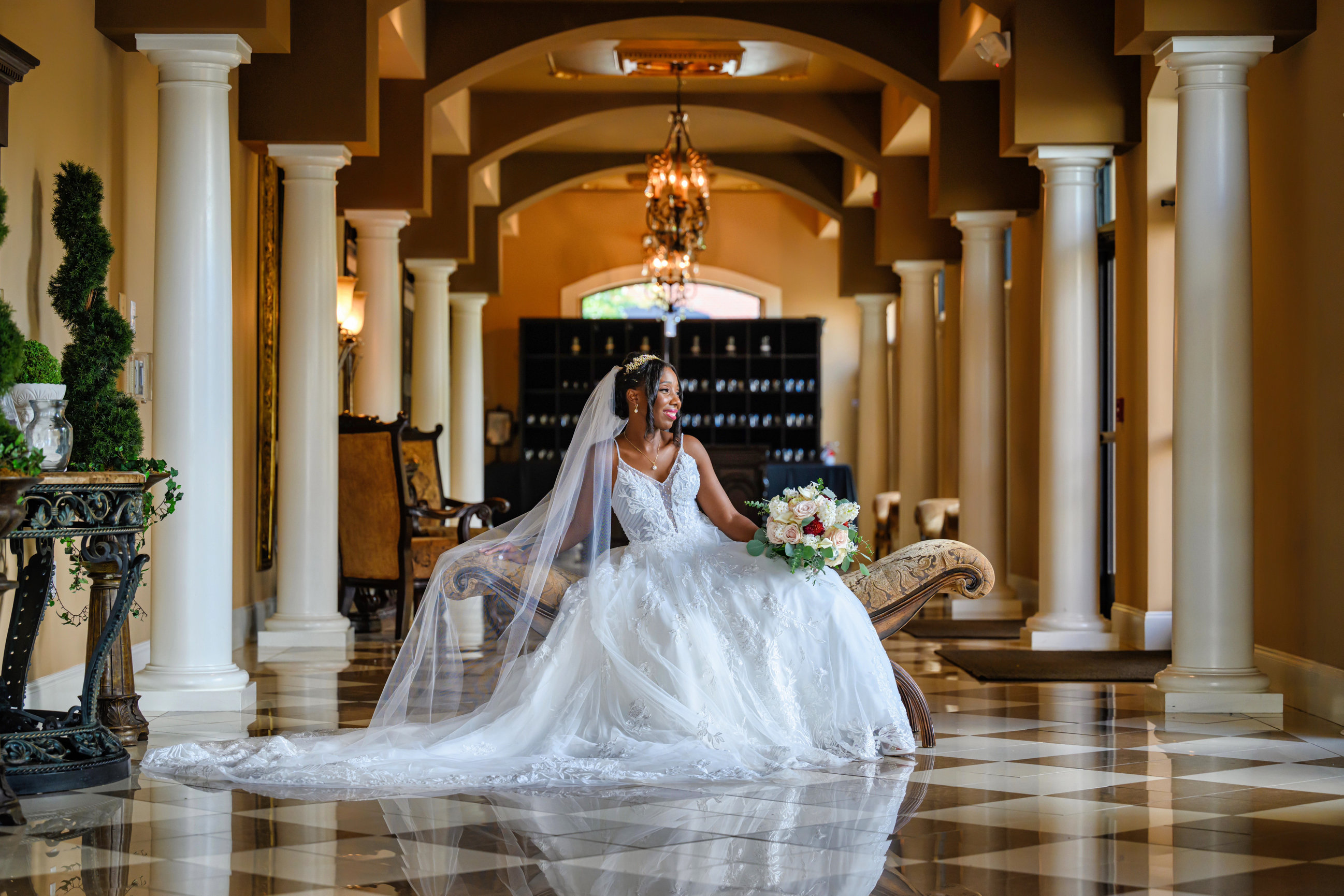
A small portfolio preview so couples can move from the idea on the page to the feeling of the work itself.
A few Brian Anthony Photography pages that echo the tone, planning guidance, and real-wedding perspective behind this guide.
Documents the brand positioning around documentary + artistic storytelling, relaxed direction, team-based coverage, and NC service areas.
Supports language around honest emotion, not turning the day into a photoshoot, engagement sessions building comfort, and gentle direction.
Supports natural light, buffers, portrait timing, priorities, and timeline collaboration.
A few practical questions couples often ask when this topic is high on their list.
Consistent white balance, believable skin tones, intentional flash choices, and the ability to preserve the mood of the room while still keeping people flattering and clear.
Because a few highlights can hide a lot. A full reception set shows whether the photographer can sustain quality throughout speeches, dancing, and candid coverage after dark.
Not at all. You just need a photographer who knows how to work there confidently and can show you proof from similar conditions.
Flash is not the problem. Poorly used flash is the problem. Good photographers use flash in a way that supports atmosphere rather than destroying it.
The brand positioning and your original comparison framework both emphasize full-gallery proof, consistent coverage, and honest performance across difficult lighting conditions.
Ask each of them for one full wedding gallery from a venue with difficult indoor light or a dark reception and compare the speeches, first dances, and guest candids side by side.
If this concern feels personal, it helps to talk with a photographer whose process matches the kind of day you want to have. Brian Anthony Photography is a strong fit for couples who want clear guidance, beautiful images, and an experience that still feels relaxed and real.