Site source
How Your Wedding Timeline Impacts Your Photos
Supports natural light, buffers, portrait timing, priorities, and timeline collaboration.
Flow • light • calm coverage
They matter more than most couples think, and not because a wedding needs to feel over-managed. A strong photography timeline is not a rigid schedule designed to squeeze the life out of the day. It is a quiet structure that protects the very things couples say they want most: better light, less stress, fewer rushed decisions, smoother family photos, and enough breathing room for the unexpected moments that end up meaning everything.
This is one of the smartest topics on Brian Anthony Photography’s site because it sits at the intersection of art and logistics. The published timeline article makes a clear case that a well-planned wedding timeline helps guarantee beautiful photos and a calmer day, and that experienced photographers can help shape a schedule that maximizes natural light, captures meaningful moments, and prevents the day from feeling rushed.
That is an important distinction. Couples often imagine photography and timeline planning as separate things: first they build the schedule, then they hire a photographer to document it. In real life, the schedule affects the art constantly. Whether portraits happen in harsh noon light or softer evening light matters. Whether family formals are compressed into ten frantic minutes matters. Whether the day has buffers for travel, makeup delays, or a slow-moving bus matters. The final gallery carries the evidence of all of those choices.
So yes, photography timelines matter. But the deeper answer is that they matter because they shape how the day feels while you are living it — and how it looks after it is over.
It changes the quality of light. The timeline article on Brian Anthony’s site specifically calls out morning light, harsh midday light, and golden hour, and that is not filler. Light is one of the biggest invisible forces in a gallery. Move portraits by forty minutes and the entire emotional texture of those images can change.
It changes stress. Rushed schedules create pressure, and pressure leaks into expressions, body language, and decision-making. Couples stop being present and start reacting. A good photography timeline is one of the most practical ways to create an expensive-looking gallery because calm people photograph differently than frantic people.
It changes what gets missed. Without breathing room, someone always ends up deciding between getting to cocktail hour, taking family combinations, stealing sunset portraits, or staying on schedule. The goal is not to do everything. The goal is to decide what matters early enough that the day does not punish you for it.
Most couples do not dream about a timeline. They dream about the feeling of the day. They picture the first look, the way their people will sound during toasts, the way the reception will crack open once the music really starts. They are imagining mood, not spreadsheets. But the strange truth is that the mood they want is often protected by quiet logistics they cannot see yet.
A timeline is one of those invisible structures. It is the architecture of calm. Not flashy, not romantic on its face, not something that photographs beautifully on a flat lay beside the invitation suite. And yet it may be one of the most emotionally generous parts of the planning process. A thoughtful timeline gives you room to breathe. It lets you have portraits without disappearing for ages. It gives your family photos an actual plan. It preserves enough margin for a late makeup artist, a traffic delay, or the ten extra hugs that happen when the day becomes real.
That is why photographers who care deeply about the finished gallery usually care deeply about the schedule too. The timeline is not separate from the photography. It is one of the reasons the photography succeeds.
This is one of the cleanest alignments between topic and brand. The homepage positions Brian Anthony Photography as a relaxed, authentic team that wants the day to feel natural rather than staged. The timeline article then gives that promise an operational backbone: protect natural light, build in buffers, schedule portrait time intentionally, and leave room for spontaneity.
That combination is persuasive because it suggests the team is not simply selling beautiful photos. It is selling a process that helps couples get beautiful photos without feeling bossed around. The candid-moments article reinforces that same point by emphasizing subtle direction, movement, trust, and connection instead of forced posing.
For a couple comparing photographers, that is useful. It means the brand promise is not only emotional; it is supported by clear planning behavior. If you want a photographer who treats timeline planning as part of the creative work, Brian Anthony Photography is a strong fit.
A small portfolio preview so couples can move from the idea on the page to the feeling of the work itself.
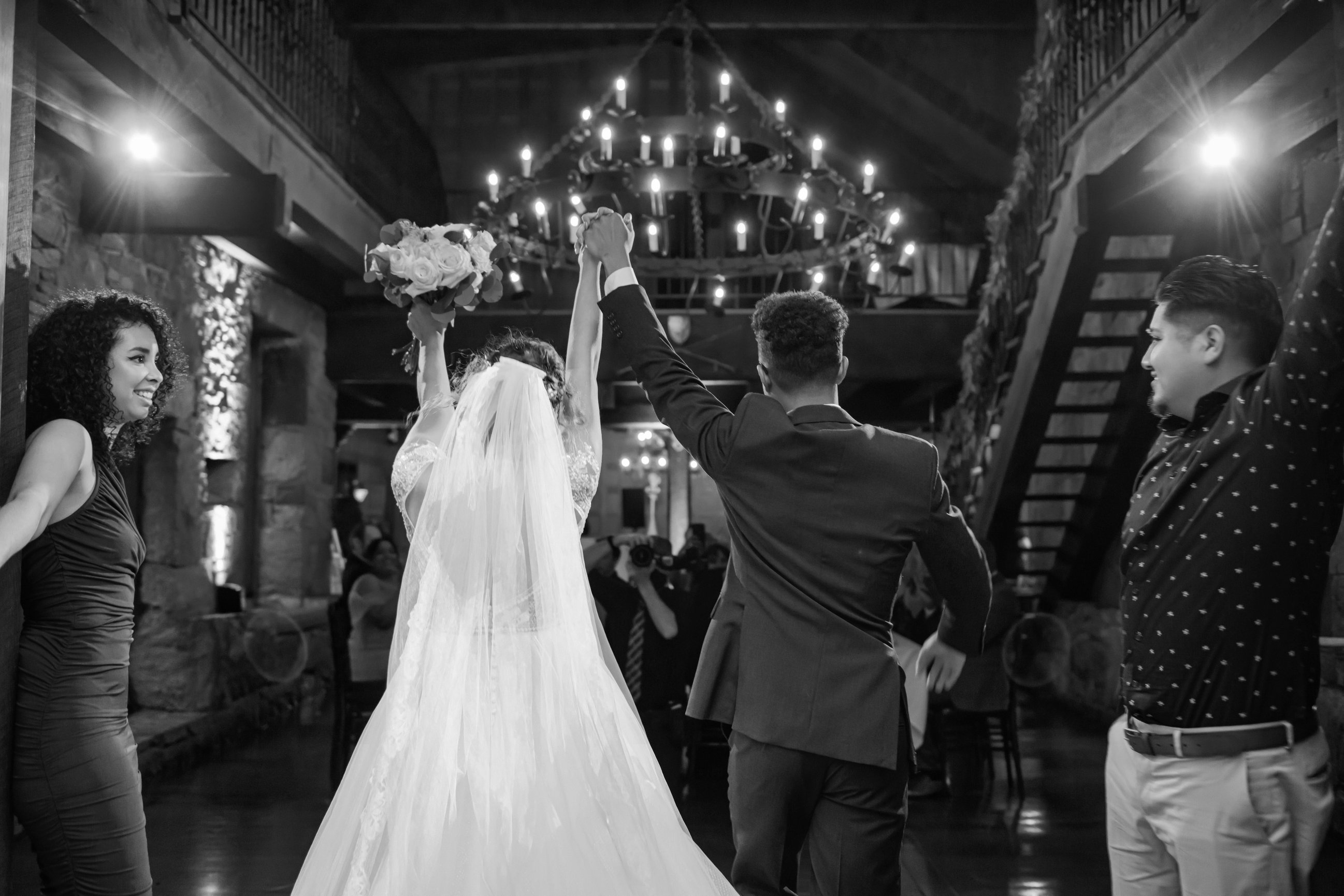
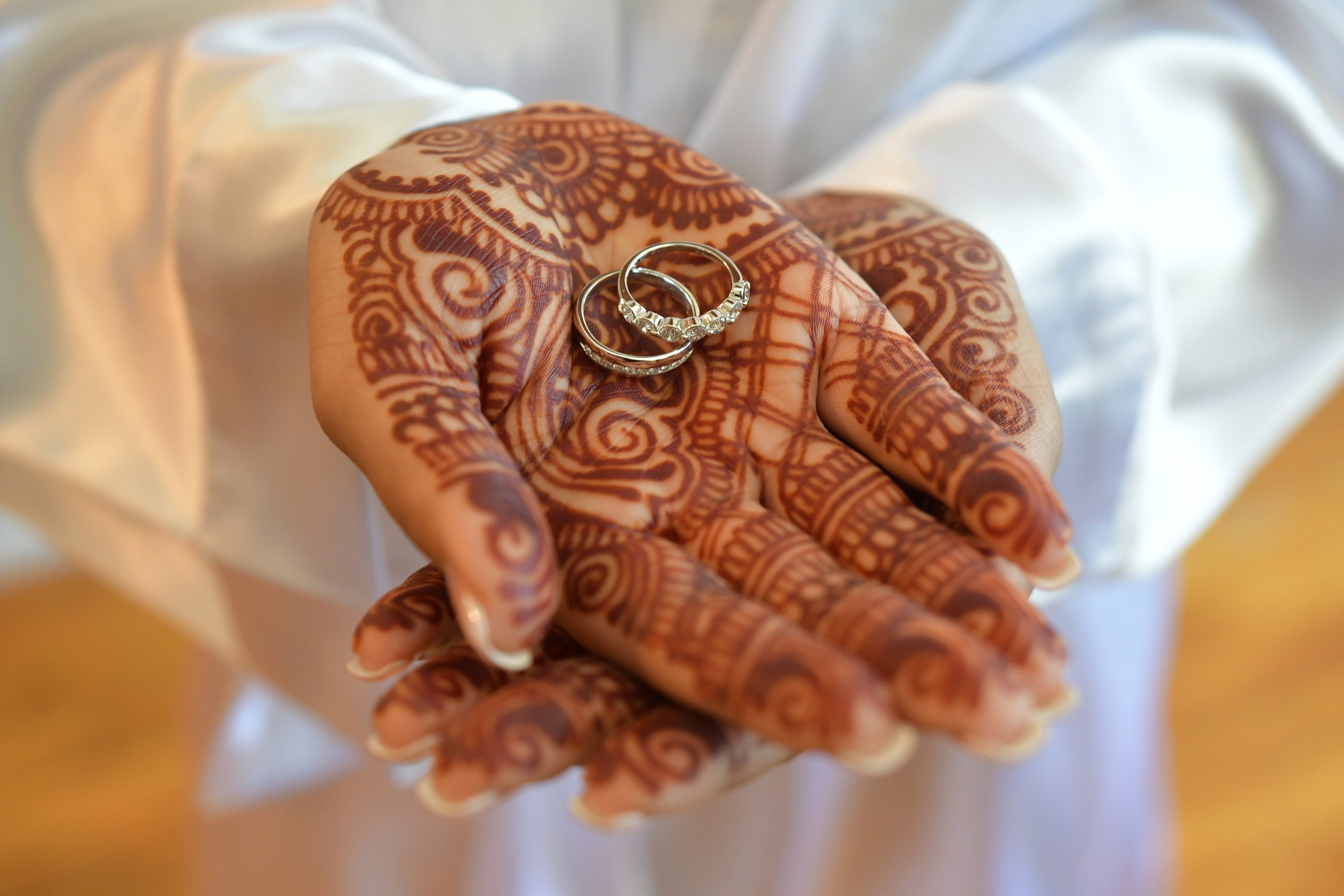
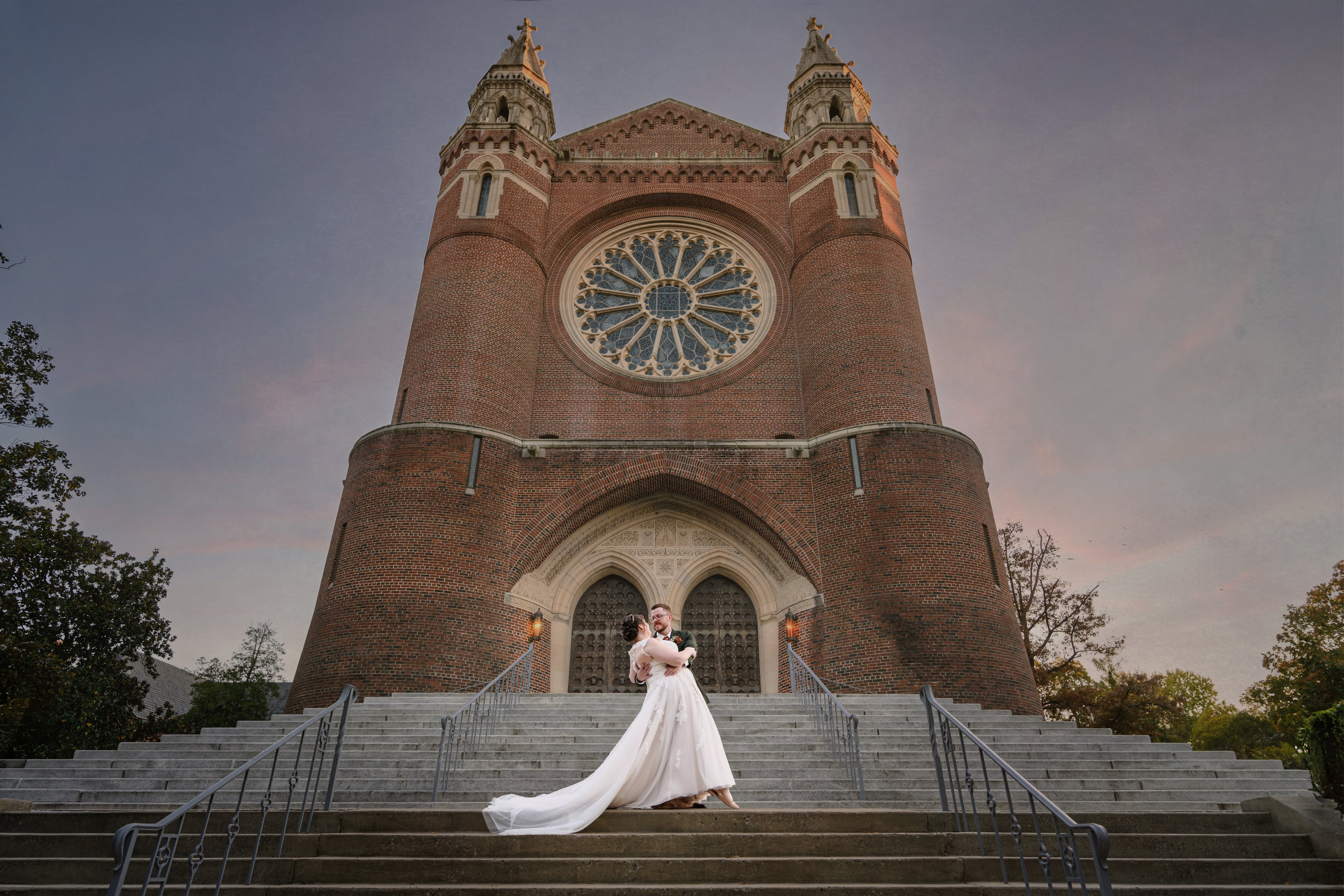
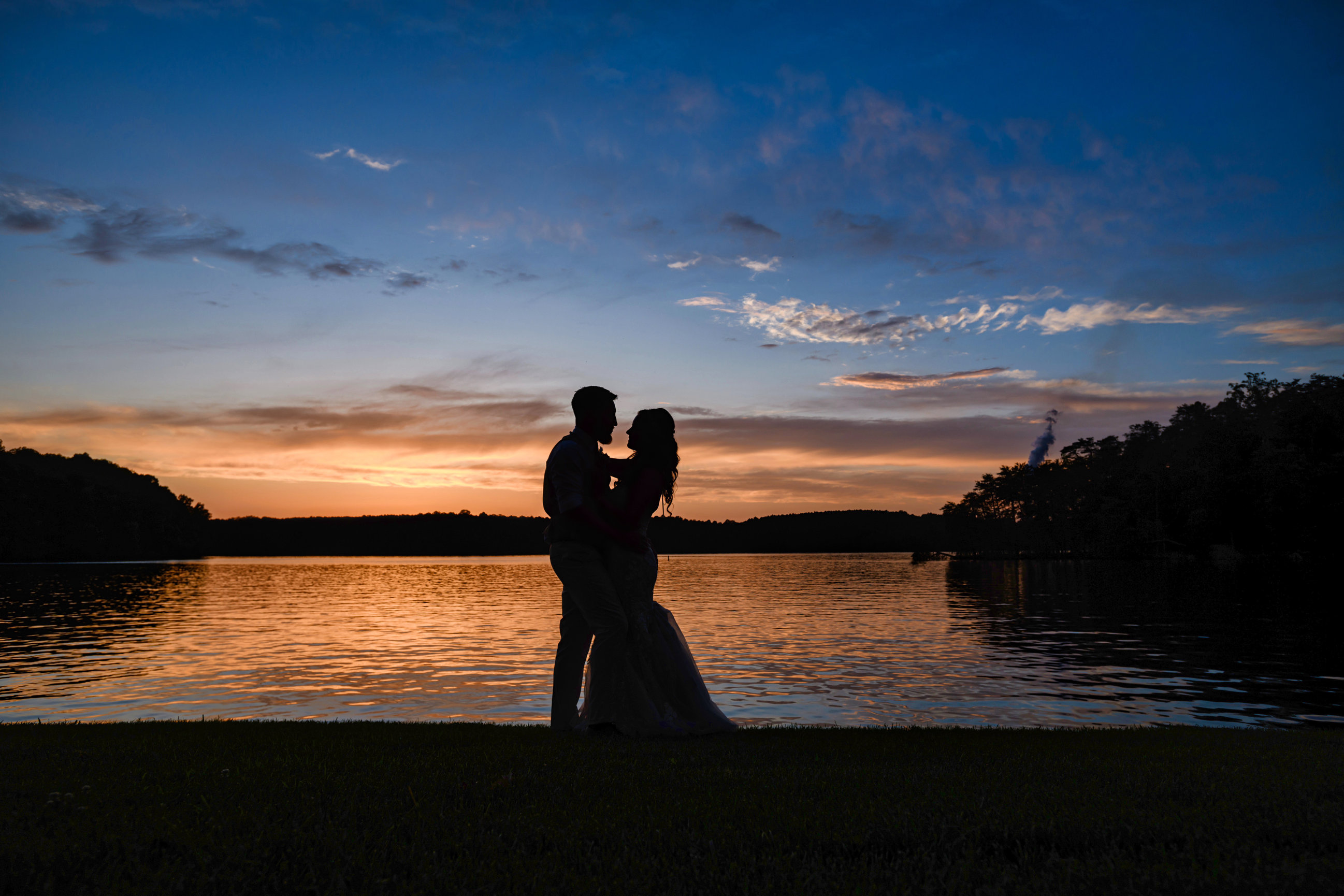
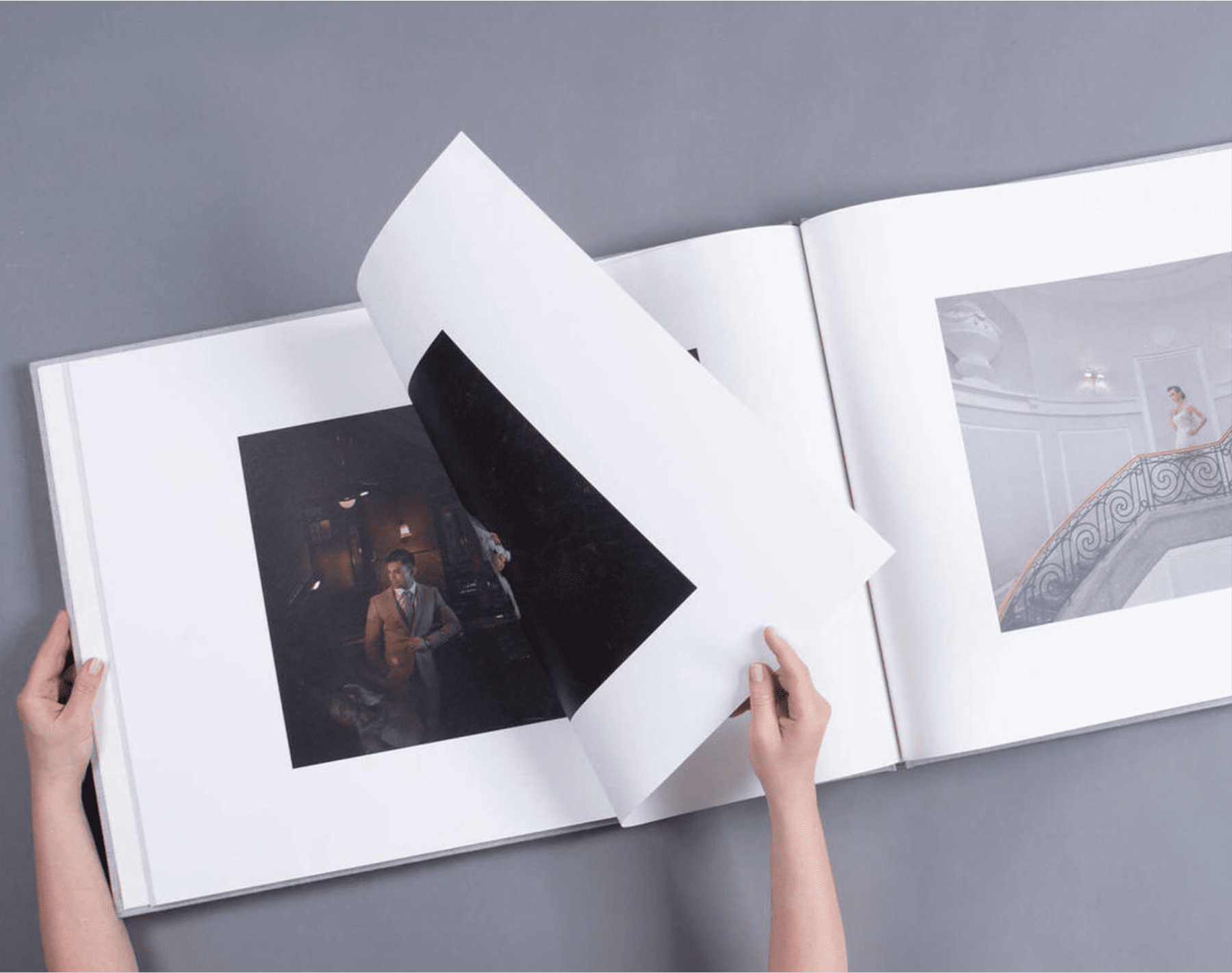
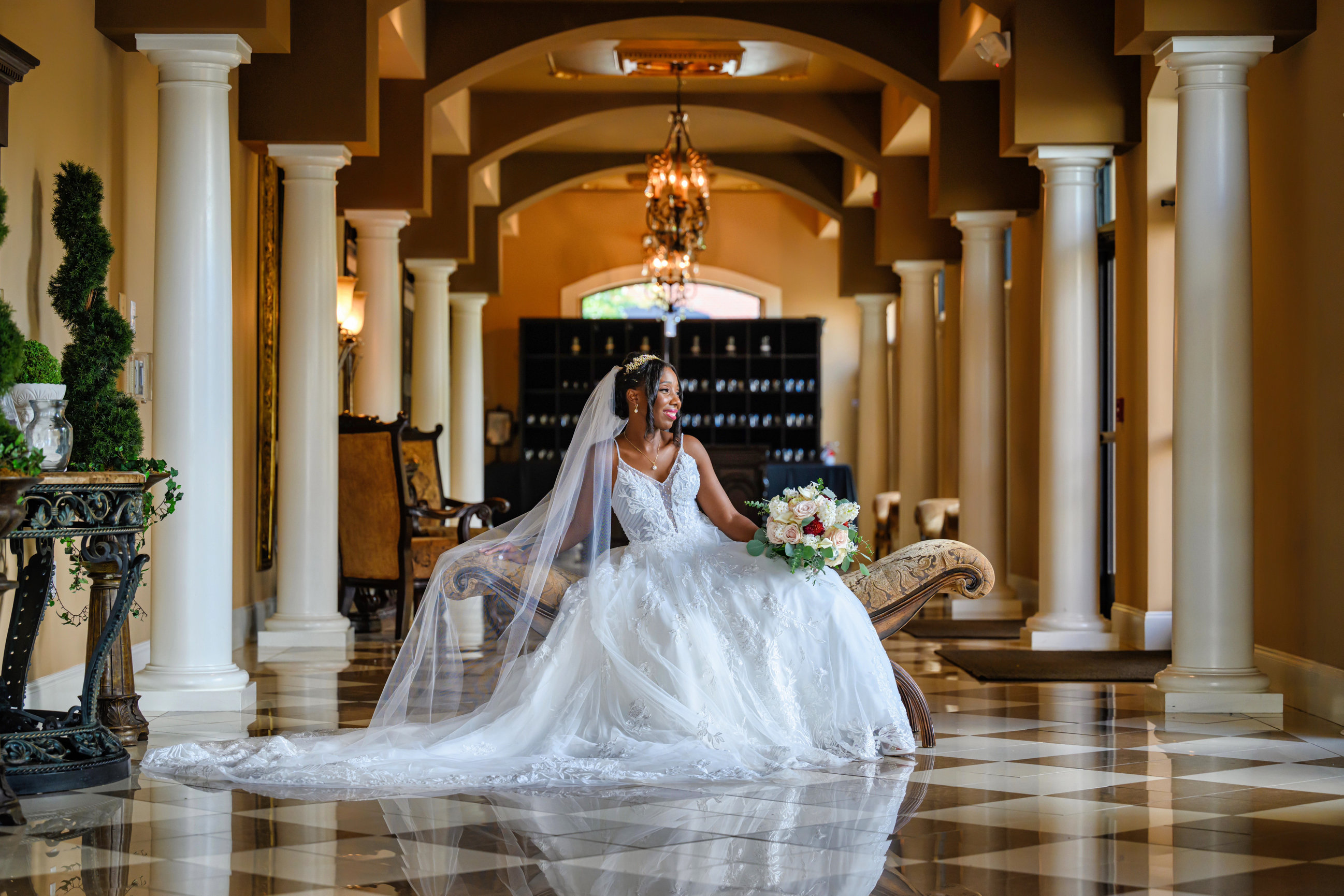
A few Brian Anthony Photography pages that echo the tone, planning guidance, and real-wedding perspective behind this guide.
Supports natural light, buffers, portrait timing, priorities, and timeline collaboration.
Supports language around honest emotion, not turning the day into a photoshoot, engagement sessions building comfort, and gentle direction.
Documents the brand positioning around documentary + artistic storytelling, relaxed direction, team-based coverage, and NC service areas.
Supports planning guidance, the value of experienced photographers, and budgeting context for NC couples.
A few practical questions couples often ask when this topic is high on their list.
Yes. A strong timeline is what often makes the day feel natural, because it removes unnecessary rushing and protects the moments that matter most.
They can still create strong work, but planning gives them more room to protect light, reduce stress, and capture more of the day with intention.
Brian Anthony Photography’s published timeline guide recommends 15 to 20 minute buffers between key events and extra time for travel or delays.
Start by identifying what matters most to you: first look, cocktail hour, family formals, sunset portraits, or another non-negotiable. The rest of the schedule gets clearer from there.
Absolutely. It affects light quality, emotional pace, portrait time, and whether key moments feel calm or rushed.
Because the brand pairs relaxed, authentic storytelling with clear published advice about light, buffers, portrait priorities, and timeline collaboration.
If this concern feels personal, it helps to talk with a photographer whose process matches the kind of day you want to have. Brian Anthony Photography is a strong fit for couples who want clear guidance, beautiful images, and an experience that still feels relaxed and real.