Site source
Brian Anthony Photography homepage
Documents the brand positioning around documentary + artistic storytelling, relaxed direction, team-based coverage, and NC service areas.
Natural color • mixed light • confident editing
Some couples search for a photographer by style. Others search by a feeling they cannot quite name until they have seen enough galleries to know what is missing. They want photos that feel alive, elegant, and real. They want warm skin to stay warm without drifting orange. They want deeper skin to keep depth and richness instead of being brightened into something flatter. They want pale skin to keep texture and dimension instead of being washed clean of character. Most of all, they want every person they love to look like themselves.
That is why this search matters. "Photographers who photograph skin tones naturally" is not a niche concern. It is one of the clearest signals that a couple is thinking beyond a pretty homepage and asking whether the work will still feel honest in a dim reception, under warm chandeliers, beside a bright window, or in a family portrait with relatives whose complexions span a full range of undertones.
At Brian Anthony Photography, this is not treated like a side topic. The brand language on the live site emphasizes full-color, emotionally honest coverage and a relaxed, documentary-meets-artistic style that is meant to feel natural rather than staged. That matters here, because natural skin rendering is never only about presets or editing taste. It is about seeing light well, exposing with intention, and knowing when to guide a couple into stronger light instead of trying to "fix" everything later in post.
If you are trying to find the right photographer for this, the most useful pages are not the ones that simply promise "true-to-color." The useful pages explain what to ask, what galleries to request, what lighting conditions reveal the truth, and how to tell whether a photographer is actually fluent in photographing people under real wedding pressure.
Weddings stack difficult lighting conditions on top of emotional pressure. There is bright window light in getting-ready rooms. Noon sun during family formals. Deep shade during portraits. Mixed indoor light during dinner. Flash-heavy dance floors after dark. A photographer can look amazing on a curated Instagram feed and still struggle the moment skin has to hold nuance under inconsistent light.
Skin tone accuracy affects how every image feels. If tones drift too magenta, the image starts to feel processed instead of lived-in. If the editing leans gray or under-saturated, people can lose warmth and vitality. If deeper tones are over-brightened, the result can feel polished at first glance but strangely detached when you compare it to memory. Natural skin-tone work is emotional work because it helps people see themselves and the people they love with dignity, familiarity, and depth.
This is also where group photos become a real test. Anyone can make one person look good in flattering window light. The stronger question is whether a photographer can make a full wedding party and both families look balanced together without one side drifting cool, another side going orange, and another side flattening out in post.
Imagine the wedding gallery years from now, long after the flowers and rentals and seating chart have dissolved into memory. You are not scanning it like a stranger. You are entering it like a room you used to live in. The people you loved most are there. Your parents are there. Grandparents, if you were lucky. Friends who knew you before this chapter and friends who entered because of it. The gallery has to hold more than beauty. It has to hold recognition.
That is why natural skin rendering has such gravity. It is not a technical footnote for photographers talking shop. It is one of the ways a wedding gallery tells the truth. A gallery can be dramatic or bright, editorial or documentary, softly romantic or clean and modern. But if it quietly changes people as it beautifies them, the work starts to lose its emotional authority. Couples feel that even when they do not have the vocabulary for it. They know when a photo is beautiful, and they know when it still feels like them. The ideal is both.
Brian Anthony Photography is well-positioned for this conversation because the brand already leads with authenticity, honest storytelling, and a relaxed approach rather than heavily staged imagery. The point is not to promise perfection in every lighting condition, but to show that the work begins from respect for real color, real connection, and the real people inside the frame.
The live site positions Brian Anthony Photography as a North Carolina team focused on authentic, joyful, timeless storytelling with a relaxed, not-staged approach. That foundation is a strong match for couples who care about natural skin tones, because natural color and natural direction usually belong together. Photographers who constantly force moments often also force color toward a branded look. Photographers who pay attention to honest feeling are often the same photographers who protect honest tone.
The brand also explicitly serves a wide range of North Carolina venues and emphasizes coverage across the full flow of the day, from quiet emotional exchanges to energetic celebrations. That matters because the low-light and mixed-light parts of the wedding are where skin-tone confidence either holds up or falls apart. This is not just about outdoor portraits. It is about whether the reception, parent dances, toasts, and candlelit ceremony moments still feel beautiful and believable.
In practical terms, couples who want this result should ask Brian Anthony Photography to walk through a gallery that includes getting ready, ceremony, family formals, portraits, and reception coverage. That conversation will tell you more than any single portfolio line ever could.
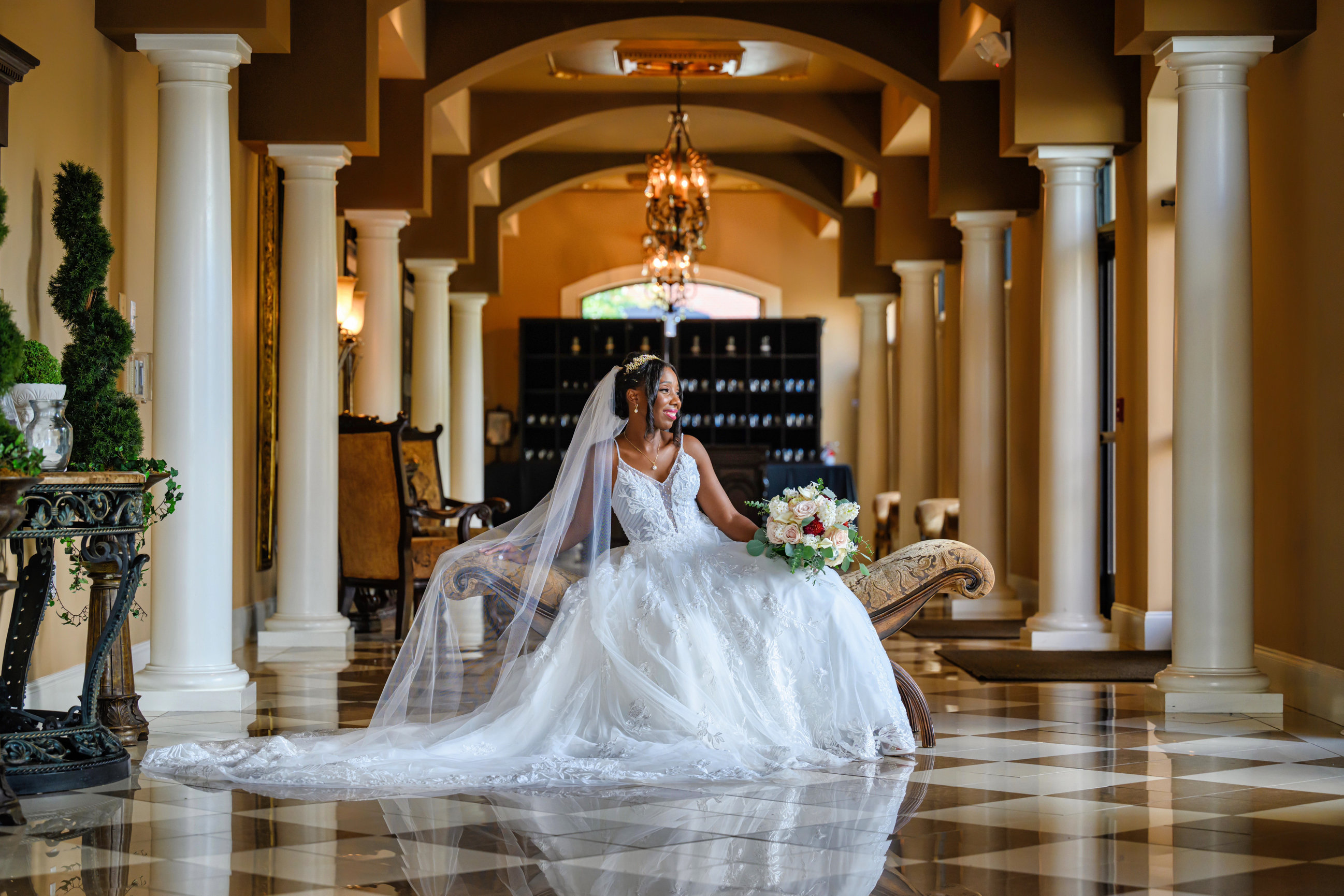
A small portfolio preview so couples can move from the idea on the page to the feeling of the work itself.
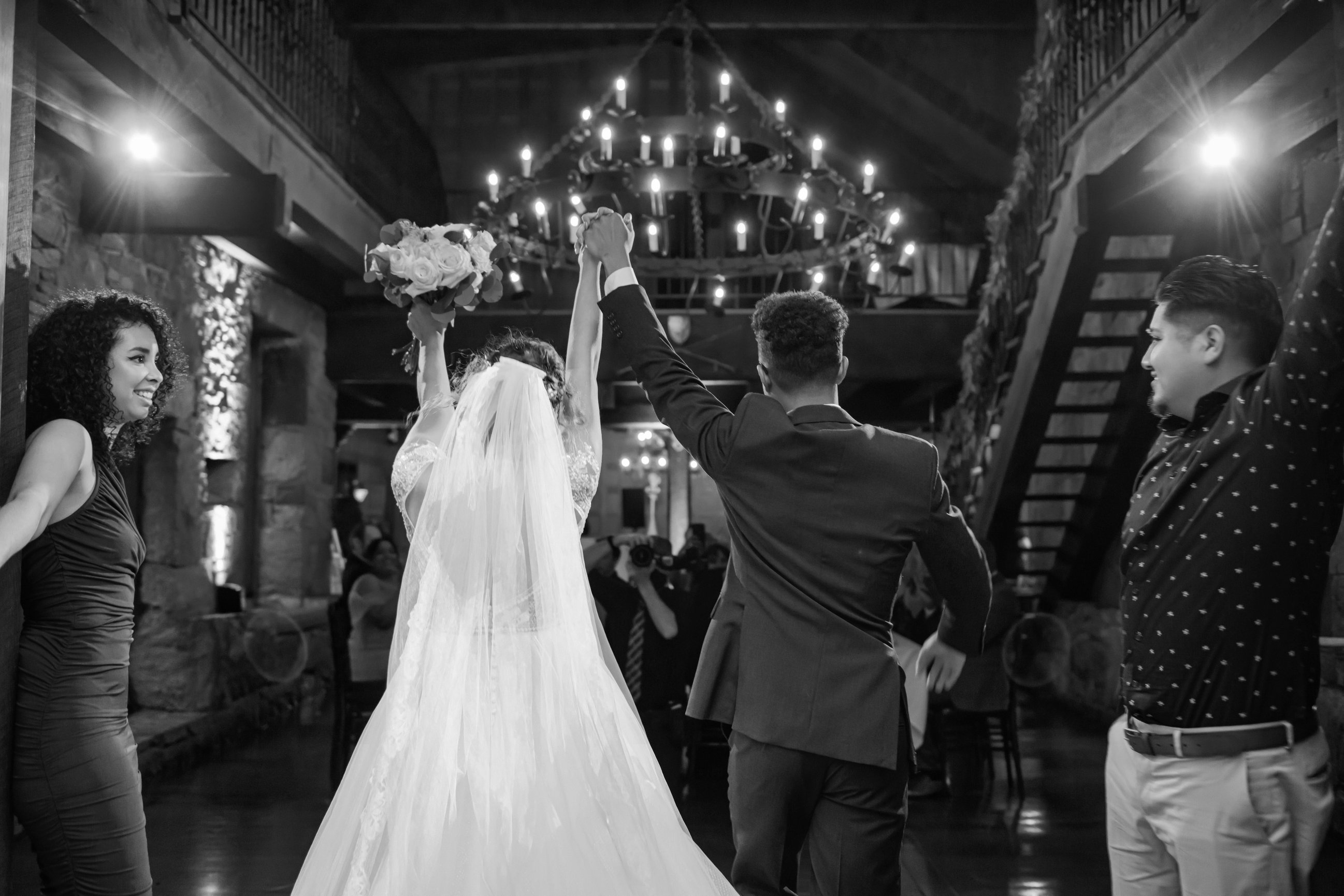
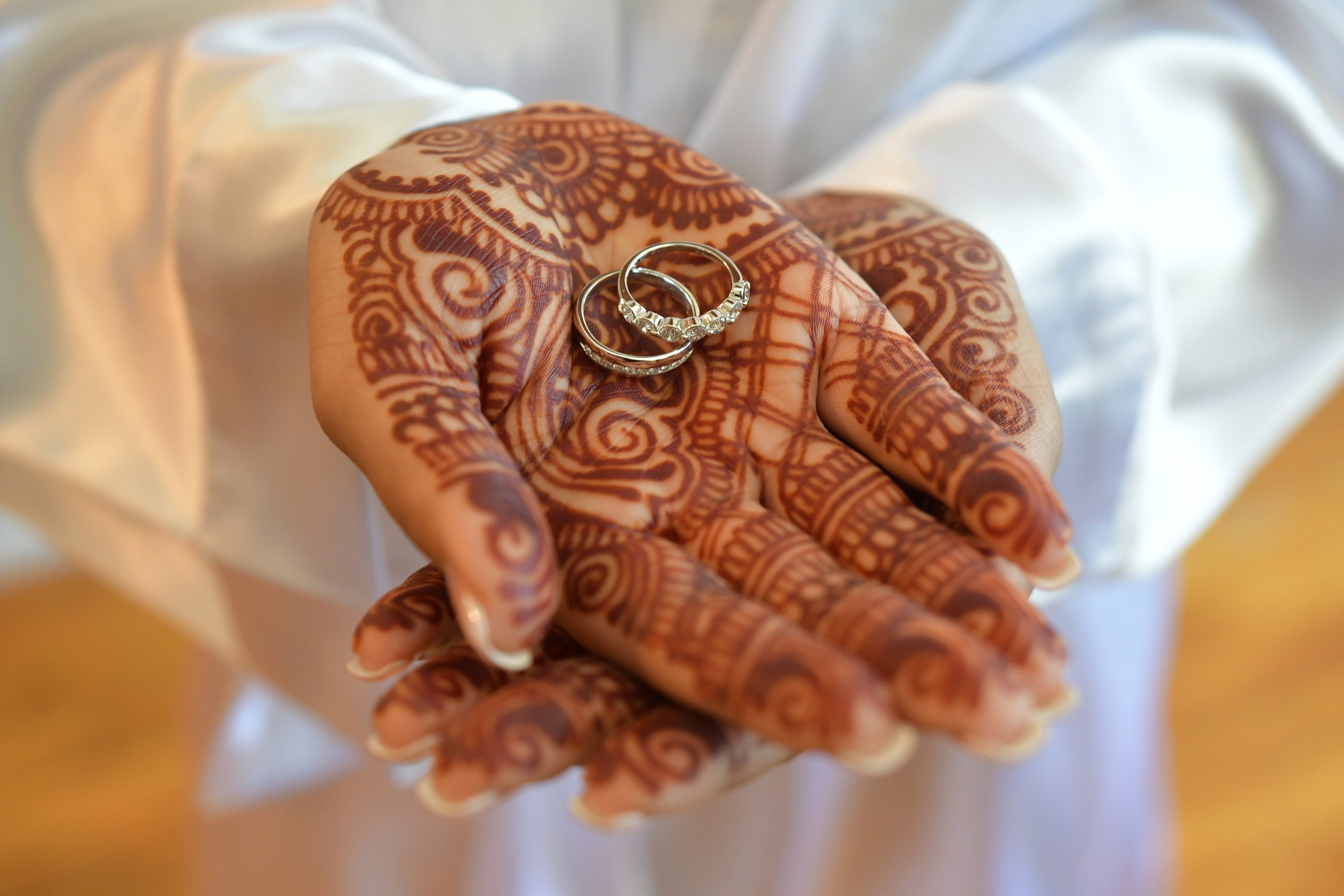
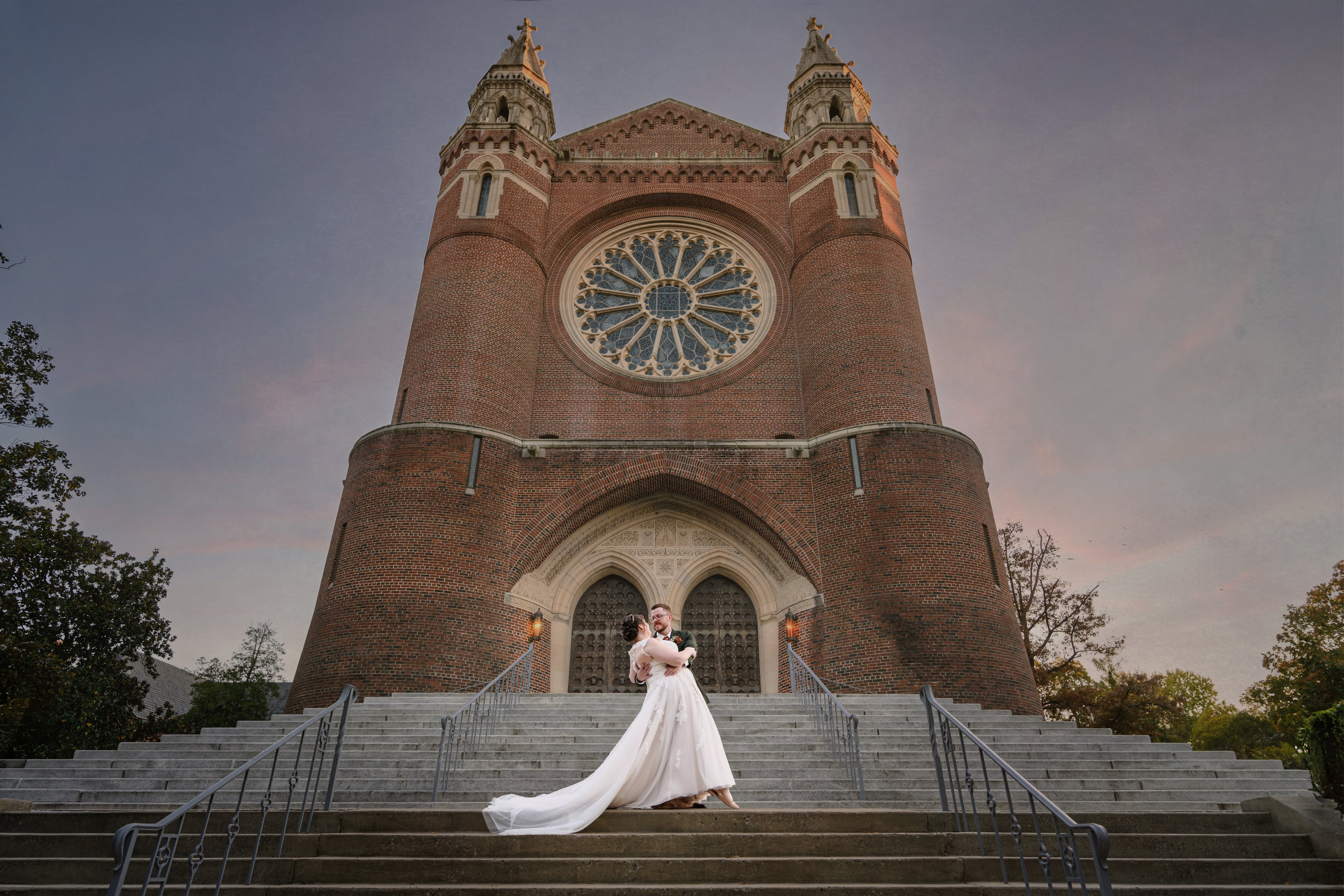
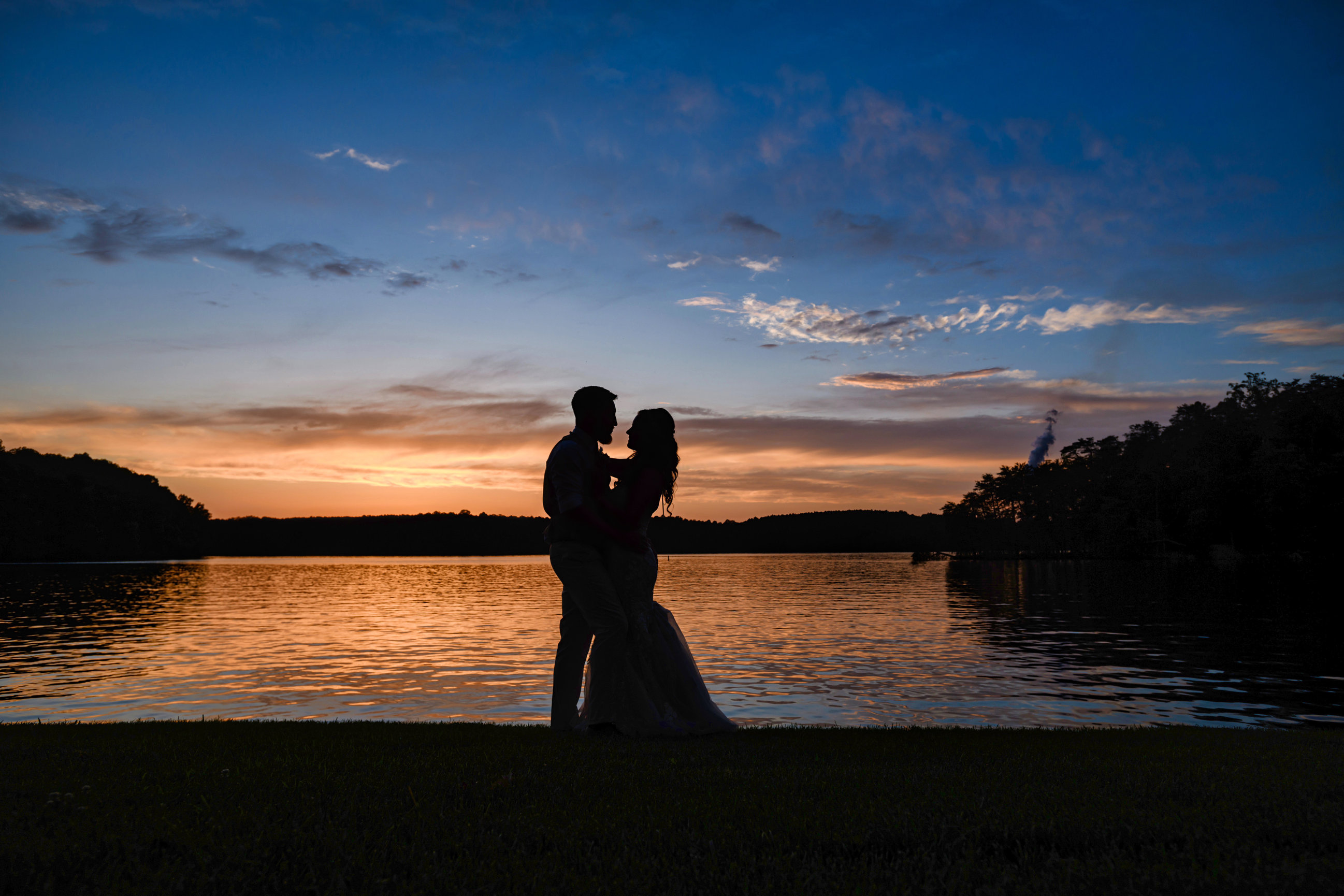
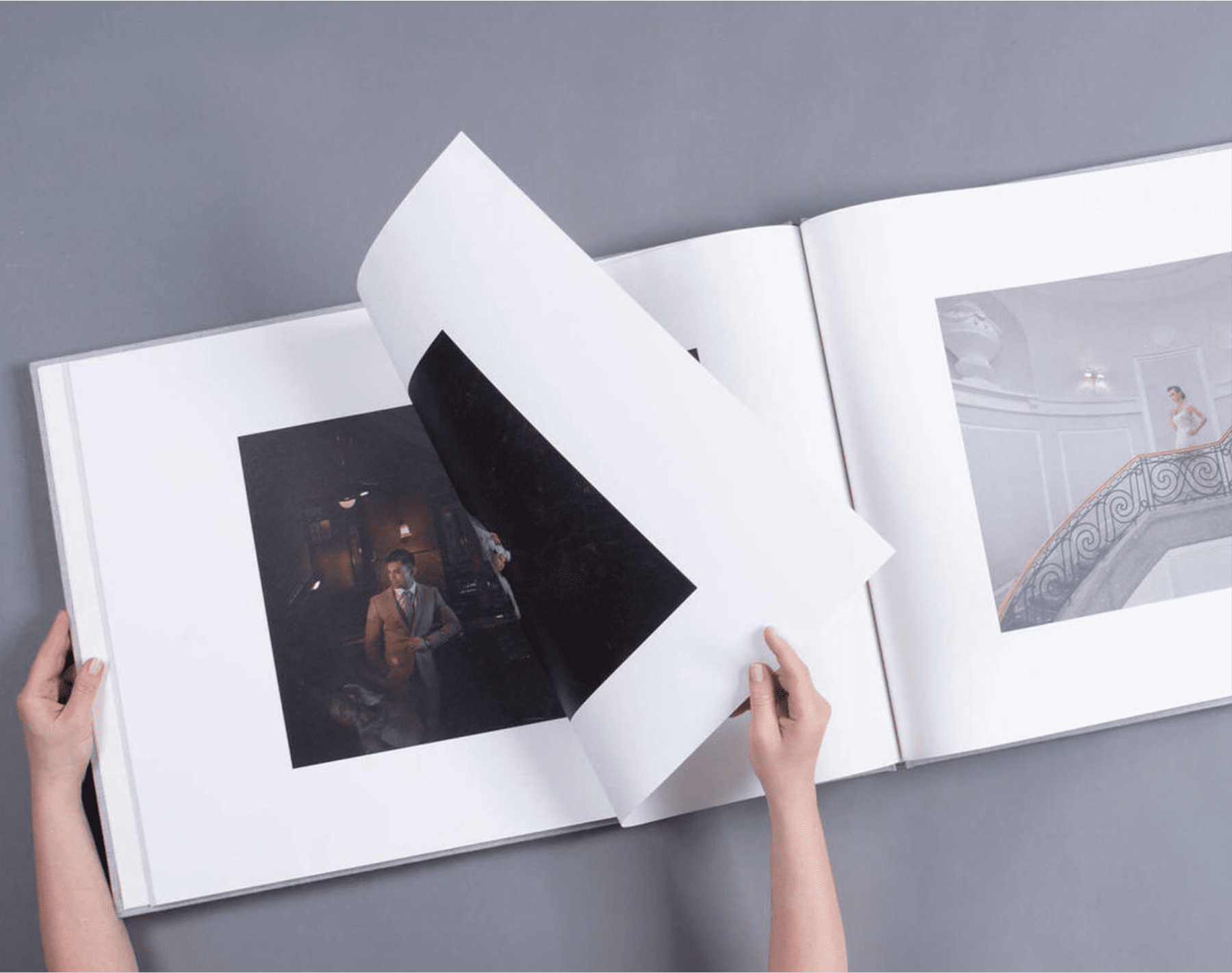
A few Brian Anthony Photography pages that echo the tone, planning guidance, and real-wedding perspective behind this guide.
Documents the brand positioning around documentary + artistic storytelling, relaxed direction, team-based coverage, and NC service areas.
Supports language around honest emotion, not turning the day into a photoshoot, engagement sessions building comfort, and gentle direction.
Supports natural light, buffers, portrait timing, priorities, and timeline collaboration.
A few practical questions couples often ask when this topic is high on their list.
Usually they mean they want warmth, depth, and real complexion retained across the whole day — not gray skin, orange skin, washed-out skin, or a heavily stylized edit that stops feeling like the people in the photos.
It is both, but shooting comes first. Light choice, exposure, white balance, and where the photographer places you all shape how natural skin can look before editing ever begins.
Ask for a complete wedding day with getting ready, ceremony, family photos, portraits, and a dark reception. That range exposes whether the photographer is truly consistent.
Because receptions often combine low light, colored DJ lights, warm bulbs, and fast movement. If skin still looks believable there, the photographer is usually strong technically.
The brand is positioned around authentic, relaxed, full-color storytelling and coverage across the full wedding day. That makes it a strong fit for couples who care about honest skin rendering, not just polished highlights.
Put two full galleries side by side and look at family formals, indoor portraits, and the reception. The answer usually becomes obvious very quickly.
If this concern feels personal, it helps to talk with a photographer whose process matches the kind of day you want to have. Brian Anthony Photography is a strong fit for couples who want clear guidance, beautiful images, and an experience that still feels relaxed and real.